A useful lumber schedule separates structural framing, engineered members, sheathing and architectural finishes. These products may all appear in the same building, but they need different descriptions for pricing and approval.
For a larger Hawaii build, organizing the schedule also helps connect the order with framing phases, long-length handling and protected storage. Start with the approved drawings and identify any selections that still need the designer’s decision.
Divide the package into clear groups
Use separate sections for dimensional framing lumber, engineered wood, plywood or other sheathing, exterior timber, and cladding or trim. Give every item a reference that can be traced back to the drawings.
For framing, list the specified species or product, grade, treatment, section, length and piece count. For sheathing, identify the panel product, thickness, dimensions and specified exposure classification. Record the required documents where the project calls for them.
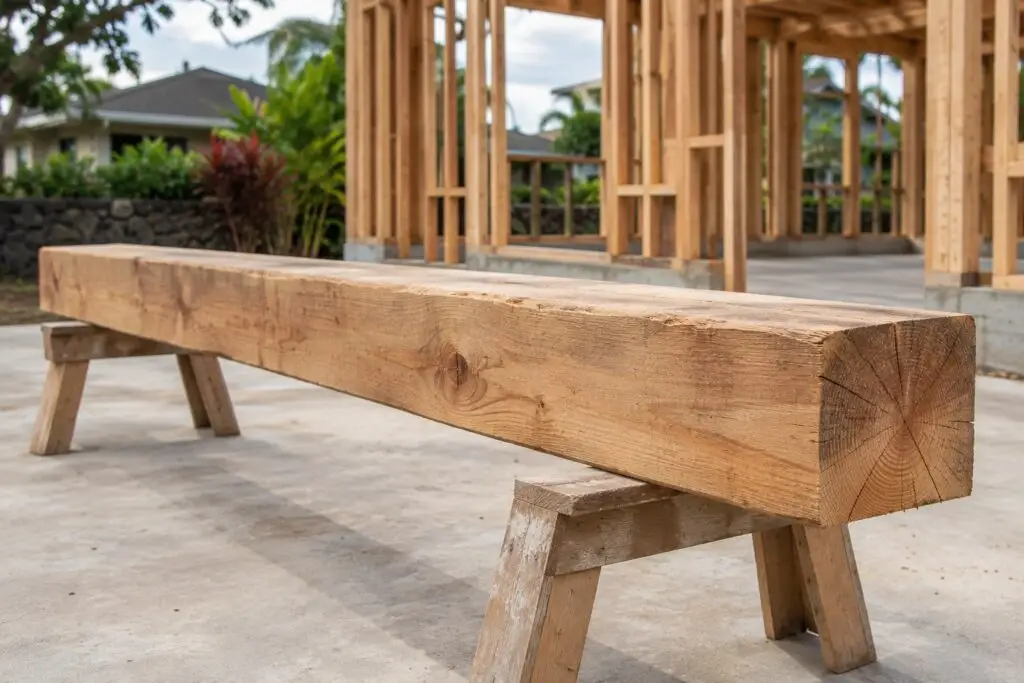
Avoid describing an exterior beam only by its visible dimensions. Its structural role, specified material and finish requirements all need to be clear before a product is confirmed.
Keep engineered members tied to their design
Glulam, LVL and other engineered products should follow the approved product schedule. A member of similar dimensions is not automatically an acceptable replacement. Ask the design team to review any alternative and its supporting documentation before ordering.
Hawaii Materials Co.’s lumber and timber supply covers specified material inquiries. Structural design, connection details, fabrication and installation remain with your appointed specialists. Show those responsibilities clearly when several firms are involved.
Make the finish requirements visible
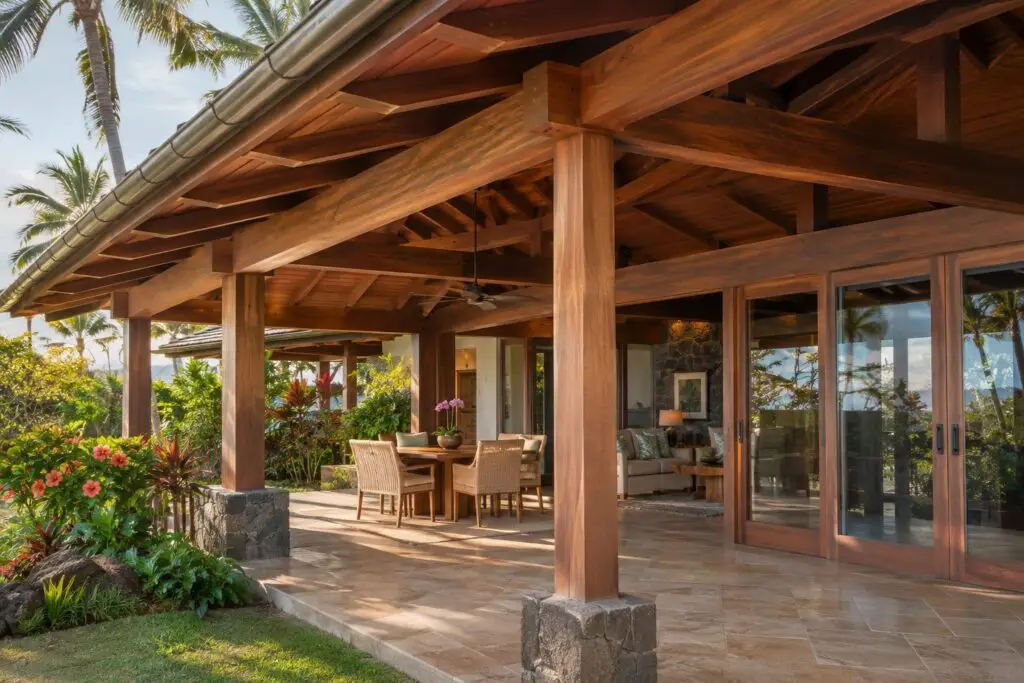
For exposed timber, identify which faces will be visible, the specified finish and any approved sample reference. Separate decorative trim from structural members even when the intended color is the same.
Outdoor exposure also belongs in the brief. Describe whether the material is sheltered or exposed and provide the treatment and maintenance requirements established by the project team. Do not rely on a broad description such as “suitable for Hawaii” to define the exact product.
Use a final review checklist
Before requesting pricing, check:
- Each length has its own quantity, rather than a single combined footage total.
- Nominal or actual dimensions are identified consistently with the specification.
- Engineered members reference the approved schedule and revision.
- Sheathing quantities include the correct panel dimensions and thickness.
- Exterior finishes and treatment requirements are recorded.
- Fasteners and other required supporting items appear as separate lines.
- Cut allowances and retained spares are approved and not counted twice.
Plan for the longest and most sensitive items
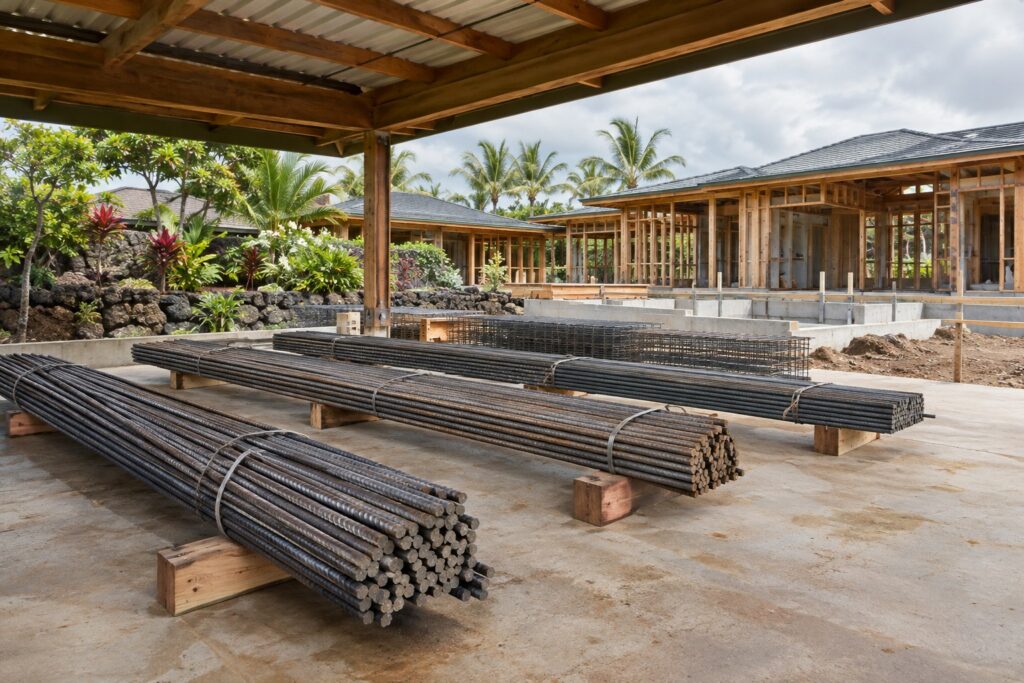
Ask your receiving team to review long-load access, equipment capability and storage before freight is finalized. Material packs need to be handled and protected according to the selected product’s instructions. A clear space on a site plan should also have a practical route from the delivery point.
Group the schedule by building or framing phase, but ask the supply team to confirm what order and freight arrangement is feasible. Send your lumber schedule for a project quote with quantities, grades, treatment, lengths, island destination and required dates.