Steel schedules need precise product descriptions. Two items can share a general size while differing in grade, wall thickness, coating or intended service. Those differences should be resolved before the order reaches production or freight planning.
For a Hawaii project, separate structural sections, reinforcing bar, plate and pipe into clear groups. Use the approved drawings and schedules as the basis for each inquiry.
Give each product group the right fields
A single “steel quantity” is not enough to identify a mixed package. Use product-specific rows:
| Product group | Information to include |
|---|---|
| Structural sections | Section designation, grade, length, piece count and finish |
| Reinforcing bar | Bar designation, grade, lengths, quantities and schedule reference |
| Plate | Grade, thickness, width, length, count and specified finish |
| Pipe or tubing | Material, section or diameter, wall thickness, grade, lengths and intended service |
State the units and material standard used in the project documents. Attach relevant schedules so the supplier can identify which revision the quantities belong to. If a description is incomplete, label the gap instead of choosing a convenient substitute.
Keep supply separate from fabrication
Clarify whether the inquiry is for raw material or whether a separate fabricator will perform cutting, bending, welding or other work. Hawaii Materials Co. coordinates steel, rebar and pipe material supply; structural design, detailing, fabrication and installation remain with the appointed project specialists.
Do not assume that attaching a fabrication drawing includes fabrication in the price. Identify the required supply condition and ask the relevant firms to confirm their scopes.
Request documents before the acceptance decision
List the mill certificates, test reports or other documents required by the project. Include coating and finish requirements where specified, together with any identification or traceability requirements established by the design team.
For pipe, the intended service matters. A broad diameter description does not establish suitability for a particular use. Keep the specified material, wall thickness and service requirements together so the proposed product can be checked correctly.
Record alternatives as separate decisions
If an alternative is offered, retain the original specified item and show the proposal beside it. Record the reviewer, status and written approval reference. Avoid replacing the original line before the project team accepts the change.
This helps prevent a quoted alternative from being mistaken for an approved product when the order is later checked by someone else.
Prepare for heavy and long bundles
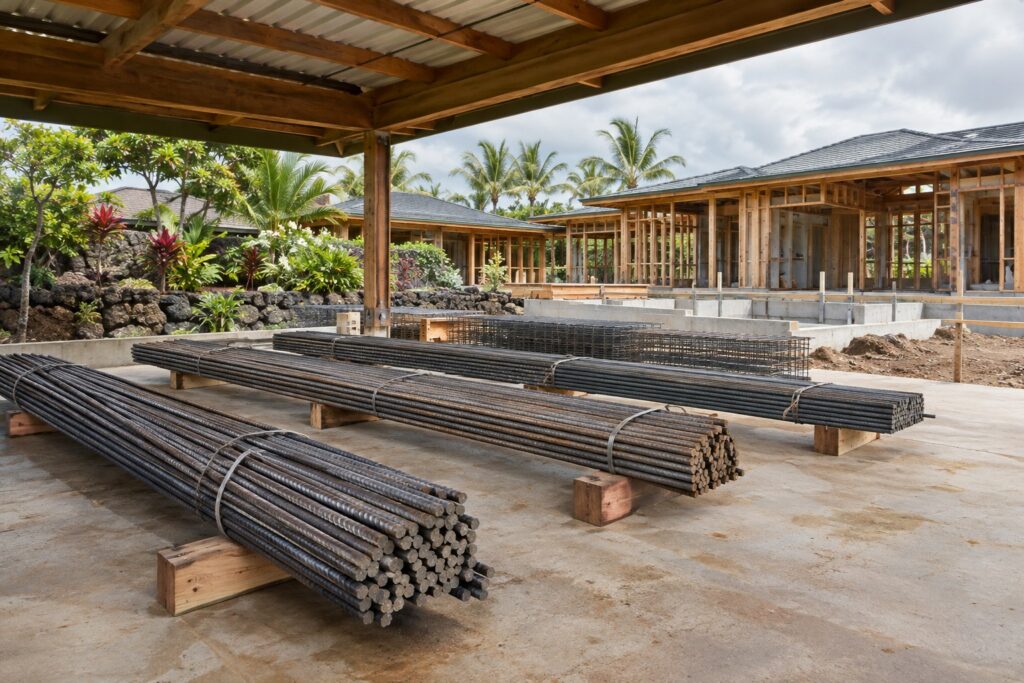
Include the receiving address, access restrictions and available unloading arrangements. Ask for the relevant bundle dimensions and weights so the receiving contractor can plan handling with suitable equipment and personnel.
Group materials by building or installation phase where practical, while leaving the loading and freight arrangement for review. Keep storage locations identified so bundles can be checked against their schedule references on arrival.
Send your steel schedule for pricing with grades, sizes, lengths, quantities, finish requirements and documents. Include the destination island and target dates to connect the material review with the receiving plan.